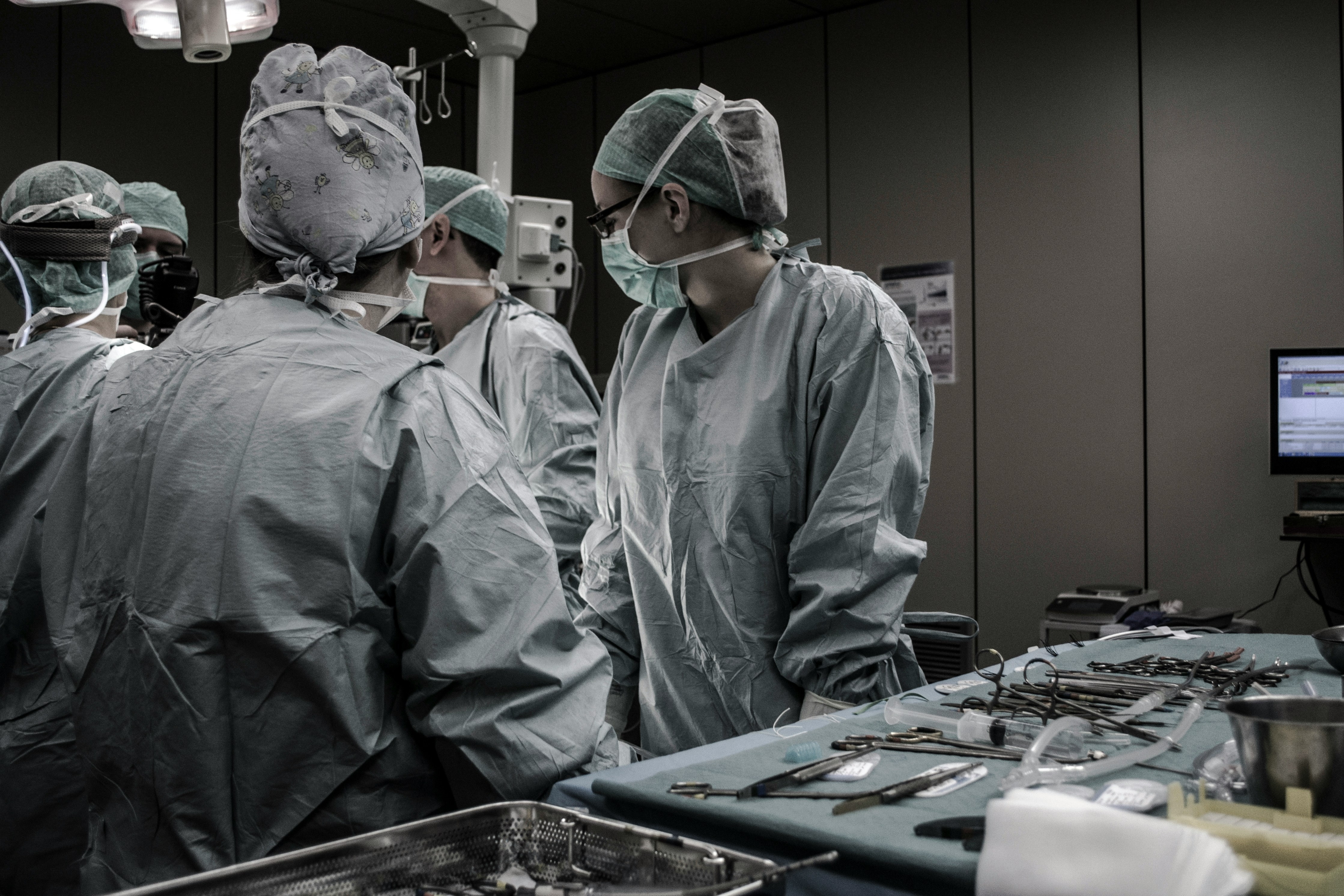
In international hospitals, private clinics, and research environments, English has become the shared working language. Yet general English alone is rarely enough for healthcare professionals. Medical English requires accuracy, clarity, and confidence—especially when lives may depend on the message being understood the first time.
In everyday clinical situations, small misunderstandings can have major consequences: a nurse giving handover, a doctor explaining treatment options, or a pharmacist discussing dosage instructions. A simple misinterpretation of “once daily” or “on an empty stomach” can lead to confusion if the patient or colleague is not fully confident in English.
Medical English also extends far beyond vocabulary. It includes tone, cultural awareness, and the ability to switch between technical terminology and plain-language explanations depending on the audience. A consultant speaking to a colleague uses one register; speaking to a patient requires another.
Developing strong Medical English skills helps professionals avoid errors, improve teamwork, build trust with patients, and increase their international career opportunities. With focused training, learners quickly become more precise, more fluent, and more comfortable navigating real medical scenarios—whether that’s writing clinical notes, participating in multidisciplinary meetings, or communicating across cultures in a fast-moving hospital setting.
123 Example St.
San Francisco, CA
Contact
© 2025 all rights reserved. Designed with WordPress.
 Chameleon Languages Ltd